are anyone else have loud static/noise after installation of newest update ?Qobuz TIDAL and ROON all work but NOT Audirvana-I have shut down my Mac mini M1 2020 and still Studio has static/noise–anyone have any idea why?
Dear all, since Studio 2.11.4 I have had a new problem. Playback now works in integer mode, but several minutes in, playback breaks down into distortion and static, and eventually goes to silence, while the display says the track is continuing to play. Any suggestions? This is a debilitating problem which no tweak I have thought of will fix.
Here also is my debug info:Audirvana Studio 2.11.4 (21104)
Running on MacBook Pro (16-inch, 2021), Apple M1 Pro
macOS 26.0 ARM64 with 16GB physical RAM
Connected account of : A P David
NETWORK
Status: available
Local network access: allowed
LOADING/DECODING:
Max audio buffer size: 1500MB
Polarity Inversion:
Globally: OFF
Per track: OFF
SIGNAL PROCESSING:
Internal EQ: OFF
Effect Plugins: NOT ACTIVE
UPSAMPLING:
r8brain not in use
r8brain filter parameters
Bandwidth = 99.5%
Stop band attenuation 218dB
Phase linear
AUDIO VOLUME:
Replay Gain: None
Max allowed volume: 100
SW volume control: OFF
LIBRARY SETTINGS:
Sync list: 3 folders
AUTO: /Volumes/Muse/DSD FLAC
AUTO: /Volumes/Muse/Music/Music
AUTO: /Volumes/Muse/SACD iso
Sync folders at startup: YES
iTunes/Music library synchronization: not synchronized
Sort and display order: en
Library database path: /Users/amirthanayagamdavid/Library/Application Support/Audirvana/AudirvanaDatabase.sqlite
Local audio files fingerprinting
Tracks with no MBID: 19734
Remote Control server:
Listening on
en7 IPv6: fda0:74d3:4483:db4a:87e:c7a1:4d38:876
en7 IPv6: 2600:8800:e08e:6800:1881:9688:2284:8cb1
en7 IPv6: 2600:8800:e08e:6800::e011
en7 IPv4: 192.168.0.114
en0 IPv6: 2600:8800:e08e:6800:1001:ca2f:c99a:b01b
en0 IPv6: fda0:74d3:4483:db4a:1411:e4d6:fb79:e96a
en0 IPv6: 2600:8800:e08e:6800::92b6
en0 IPv4: 192.168.0.223
on port 65057
ACTIVE STREAMING SERVICES
APPEARANCE SETTINGS:
UI theme: dark
Font size: regular
Language: System language
Show album covers in tracks list: no
Source list sorted:
Local
My Music
Streaming
Radios
Podcasts
Startup view: Last displayed view
Show local extended in source list: yes
Use media keys: no
Use media keys for volume control: no
Use Apple Remote: no
Number of paired remotes: 2
Remote pairing code required: yes
Screen saver disabled: yes
=================== AUDIO DEVICE ========================
Active method: Local
Max. memory for audio buffers: 1500MB
Local Audio Engine: CoreAudio
Exclusive access: ON
Integer mode: ON
Use max I/O buffer size: ON
Actual I/O buffer frame size: 512
Preferred device:
Holo Audio Holo Audio UAC2.0 Gen2 Enhanced
Model UID:Holo Audio UAC2.0 Gen2 Enhanced:152A:87C0
UID:AppleUSBAudioEngine:Holo Audio:Holo Audio UAC2.0 Gen2 Enhanced:2110000:1
Active Sample Rate: 96kHz
Hog Mode is off
Bridge settings:
Sample rate limitation: none
Sample rate switching latency: none
Limit bitdepth to 24bit: OFF
Mute during sample rate change: OFF
Selected device:Holo Audio UAC2.0 Gen2 Enhanced
Manufacturer: Holo Audio
Model name: Holo Audio UAC2.0 Gen2 Enhanced
Model UID: Holo Audio UAC2.0 Gen2 Enhanced:152A:87C0
UID: AppleUSBAudioEngine:Holo Audio:Holo Audio UAC2.0 Gen2 Enhanced:2110000:1
USB Vendor ID: 0x152a
USB Product ID: 0x87c0
ID 0x57
12 available sample rates up to 1536000Hz
44100
48000
88200
96000
176400
192000
352800
384000
705600
768000
1411200
1536000
Audio buffer frame size : 29 to 4096 frames
Current I/O buffer frame size : 512
Volume Control
Physical: Yes
Virtual: Yes
Max volume alert: Disabled
MQA capability
Auto-detect MQA devices: Yes
Not automatically detected, user set to not MQA
DSD capability
DSD via PCM 1.1
Device audio channels
Preferred stereo channels L:1 R:2
Channel bitmap: Ox3, layout:
Channel 0 mapped to 0
Channel 1 mapped to 1
Audio channels in use
Number of channels: 2
Use as stereo device only: No
Simple stereo device: Yes
1 output streams:
Number of active channels: 2, in 1 stream(s)
Channel #0 :Stream 0 channel 0
Channel #1 :Stream 0 channel 1
Stream ID 0x58 2 channels starting at 1
36 virtual formats:
2 ch Mixable linear PCM Interleaved 32 little endian Signed Float 1536kHz
2 ch Mixable linear PCM Interleaved 32 little endian Signed Float 1411.2kHz
2 ch Mixable linear PCM Interleaved 32 little endian Signed Float 768kHz
2 ch Mixable linear PCM Interleaved 32 little endian Signed Float 705.6kHz
2 ch Mixable linear PCM Interleaved 32 little endian Signed Float 384kHz
2 ch Mixable linear PCM Interleaved 32 little endian Signed Float 352.8kHz
2 ch Mixable linear PCM Interleaved 32 little endian Signed Float 192kHz
2 ch Mixable linear PCM Interleaved 32 little endian Signed Float 176.4kHz
2 ch Mixable linear PCM Interleaved 32 little endian Signed Float 96kHz
2 ch Mixable linear PCM Interleaved 32 little endian Signed Float 88.2kHz
2 ch Mixable linear PCM Interleaved 32 little endian Signed Float 48kHz
2 ch Mixable linear PCM Interleaved 32 little endian Signed Float 44.1kHz
2 ch Non-mixable linear PCM Interleaved 24 little endian Signed Integer aligned high in 32bit 1536kHz
2 ch Non-mixable linear PCM Interleaved 24 little endian Signed Integer aligned high in 32bit 1411.2kHz
2 ch Non-mixable linear PCM Interleaved 24 little endian Signed Integer aligned high in 32bit 768kHz
2 ch Non-mixable linear PCM Interleaved 24 little endian Signed Integer aligned high in 32bit 705.6kHz
2 ch Non-mixable linear PCM Interleaved 24 little endian Signed Integer aligned high in 32bit 384kHz
2 ch Non-mixable linear PCM Interleaved 24 little endian Signed Integer aligned high in 32bit 352.8kHz
2 ch Non-mixable linear PCM Interleaved 24 little endian Signed Integer aligned high in 32bit 192kHz
2 ch Non-mixable linear PCM Interleaved 24 little endian Signed Integer aligned high in 32bit 176.4kHz
2 ch Non-mixable linear PCM Interleaved 24 little endian Signed Integer aligned high in 32bit 96kHz
2 ch Non-mixable linear PCM Interleaved 24 little endian Signed Integer aligned high in 32bit 88.2kHz
2 ch Non-mixable linear PCM Interleaved 24 little endian Signed Integer aligned high in 32bit 48kHz
2 ch Non-mixable linear PCM Interleaved 24 little endian Signed Integer aligned high in 32bit 44.1kHz
2 ch Non-mixable linear PCM Interleaved 16 little endian Signed Integer 1536kHz
2 ch Non-mixable linear PCM Interleaved 16 little endian Signed Integer 1411.2kHz
2 ch Non-mixable linear PCM Interleaved 16 little endian Signed Integer 768kHz
2 ch Non-mixable linear PCM Interleaved 16 little endian Signed Integer 705.6kHz
2 ch Non-mixable linear PCM Interleaved 16 little endian Signed Integer 384kHz
2 ch Non-mixable linear PCM Interleaved 16 little endian Signed Integer 352.8kHz
2 ch Non-mixable linear PCM Interleaved 16 little endian Signed Integer 192kHz
2 ch Non-mixable linear PCM Interleaved 16 little endian Signed Integer 176.4kHz
2 ch Non-mixable linear PCM Interleaved 16 little endian Signed Integer 96kHz
2 ch Non-mixable linear PCM Interleaved 16 little endian Signed Integer 88.2kHz
2 ch Non-mixable linear PCM Interleaved 16 little endian Signed Integer 48kHz
2 ch Non-mixable linear PCM Interleaved 16 little endian Signed Integer 44.1kHz
48 physical formats
2 ch Mixable linear PCM Interleaved 24 little endian Signed Integer aligned high in 32bit 1536kHz
2 ch Mixable linear PCM Interleaved 24 little endian Signed Integer aligned high in 32bit 1411.2kHz
2 ch Mixable linear PCM Interleaved 24 little endian Signed Integer aligned high in 32bit 768kHz
2 ch Mixable linear PCM Interleaved 24 little endian Signed Integer aligned high in 32bit 705.6kHz
2 ch Mixable linear PCM Interleaved 24 little endian Signed Integer aligned high in 32bit 384kHz
2 ch Mixable linear PCM Interleaved 24 little endian Signed Integer aligned high in 32bit 352.8kHz
2 ch Mixable linear PCM Interleaved 24 little endian Signed Integer aligned high in 32bit 192kHz
2 ch Mixable linear PCM Interleaved 24 little endian Signed Integer aligned high in 32bit 176.4kHz
2 ch Mixable linear PCM Interleaved 24 little endian Signed Integer aligned high in 32bit 96kHz
2 ch Mixable linear PCM Interleaved 24 little endian Signed Integer aligned high in 32bit 88.2kHz
2 ch Mixable linear PCM Interleaved 24 little endian Signed Integer aligned high in 32bit 48kHz
2 ch Mixable linear PCM Interleaved 24 little endian Signed Integer aligned high in 32bit 44.1kHz
2 ch Mixable linear PCM Interleaved 16 little endian Signed Integer 1536kHz
2 ch Mixable linear PCM Interleaved 16 little endian Signed Integer 1411.2kHz
2 ch Mixable linear PCM Interleaved 16 little endian Signed Integer 768kHz
2 ch Mixable linear PCM Interleaved 16 little endian Signed Integer 705.6kHz
2 ch Mixable linear PCM Interleaved 16 little endian Signed Integer 384kHz
2 ch Mixable linear PCM Interleaved 16 little endian Signed Integer 352.8kHz
2 ch Mixable linear PCM Interleaved 16 little endian Signed Integer 192kHz
2 ch Mixable linear PCM Interleaved 16 little endian Signed Integer 176.4kHz
2 ch Mixable linear PCM Interleaved 16 little endian Signed Integer 96kHz
2 ch Mixable linear PCM Interleaved 16 little endian Signed Integer 88.2kHz
2 ch Mixable linear PCM Interleaved 16 little endian Signed Integer 48kHz
2 ch Mixable linear PCM Interleaved 16 little endian Signed Integer 44.1kHz
2 ch Non-mixable linear PCM Interleaved 24 little endian Signed Integer aligned high in 32bit 1536kHz
2 ch Non-mixable linear PCM Interleaved 24 little endian Signed Integer aligned high in 32bit 1411.2kHz
2 ch Non-mixable linear PCM Interleaved 24 little endian Signed Integer aligned high in 32bit 768kHz
2 ch Non-mixable linear PCM Interleaved 24 little endian Signed Integer aligned high in 32bit 705.6kHz
2 ch Non-mixable linear PCM Interleaved 24 little endian Signed Integer aligned high in 32bit 384kHz
2 ch Non-mixable linear PCM Interleaved 24 little endian Signed Integer aligned high in 32bit 352.8kHz
2 ch Non-mixable linear PCM Interleaved 24 little endian Signed Integer aligned high in 32bit 192kHz
2 ch Non-mixable linear PCM Interleaved 24 little endian Signed Integer aligned high in 32bit 176.4kHz
2 ch Non-mixable linear PCM Interleaved 24 little endian Signed Integer aligned high in 32bit 96kHz
2 ch Non-mixable linear PCM Interleaved 24 little endian Signed Integer aligned high in 32bit 88.2kHz
2 ch Non-mixable linear PCM Interleaved 24 little endian Signed Integer aligned high in 32bit 48kHz
2 ch Non-mixable linear PCM Interleaved 24 little endian Signed Integer aligned high in 32bit 44.1kHz
2 ch Non-mixable linear PCM Interleaved 16 little endian Signed Integer 1536kHz
2 ch Non-mixable linear PCM Interleaved 16 little endian Signed Integer 1411.2kHz
2 ch Non-mixable linear PCM Interleaved 16 little endian Signed Integer 768kHz
2 ch Non-mixable linear PCM Interleaved 16 little endian Signed Integer 705.6kHz
2 ch Non-mixable linear PCM Interleaved 16 little endian Signed Integer 384kHz
2 ch Non-mixable linear PCM Interleaved 16 little endian Signed Integer 352.8kHz
2 ch Non-mixable linear PCM Interleaved 16 little endian Signed Integer 192kHz
2 ch Non-mixable linear PCM Interleaved 16 little endian Signed Integer 176.4kHz
2 ch Non-mixable linear PCM Interleaved 16 little endian Signed Integer 96kHz
2 ch Non-mixable linear PCM Interleaved 16 little endian Signed Integer 88.2kHz
2 ch Non-mixable linear PCM Interleaved 16 little endian Signed Integer 48kHz
2 ch Non-mixable linear PCM Interleaved 16 little endian Signed Integer 44.1kHz
Local devices found : 2
Device #0: ID 0x57 Holo Audio UAC2.0 Gen2 Enhanced
Manufacturer: Holo Audio
Model UID: Holo Audio UAC2.0 Gen2 Enhanced:152A:87C0
UID: AppleUSBAudioEngine:Holo Audio:Holo Audio UAC2.0 Gen2 Enhanced:2110000:1
USB Vendor ID: 0x152a
USB Product ID: 0x87c0
Model name: Holo Audio UAC2.0 Gen2 Enhanced
Device #1: ID 0x4b MacBook Pro Speakers
Manufacturer: Apple Inc.
Model UID: Speaker
UID: BuiltInSpeakerDevice
Model name: Apple Inc. MacBook Pro Speakers
UPnP
UPnP network interface
Selected Network interface: USB 10/100/1000 LAN
Available Network interfaces:
USB 10/100/1000 LAN
UPnP devices found : 1
Device #0: ID 0x0 : Telemachus TV
UID: uuid:ff3c3ffe-7577-4975-bfea-b7ee7bf6feff
Location: http://192.168.0.229:16342
Manufacturer: Microsoft Corporation
Model name: Windows Media Player
Chromecast
Chromecast devices found : 1
Device #0: Telemachus TV
ID: 78043dae6ac4935b56985287a572bae0
Model name: Smart TV Pro
Following a private suggestion I increased my buffer size, but that was not a fix. Here is the phenomenon, on my M1 MacBook Pro from 2021, running Tahoe: Audirvana starts to play with no problems, sometimes a whole track. But eventually a fuzzy distortion sets in, without warning, and finally there is no sound at all, while the app still shows that it’s playing the file. Happens whether I’m playing local files or streaming Presto Music. There is no issue playing Apple Music, or the Presto Music app which also has Exclusive Mode. Only Audirvana 2.11.4.
Important, embarrassing update: the problem happens also with Presto Music, another third party app. Apple Music, as you might expect, still works. Is there something more needs to be done to address the new Core Audio code? Very frustrated here.
The thing is with new OS… Mac or Pc… there is always bugs…
that you don’t notice right away…
On Mac, the best thing to do is to make a new Volume where you install the new OS for you to test first… and that way you can restart on previous OS in a second to return to working software… If all good then you delete the old Container system
Or a little pain more, revert with Time Machine to last working OS…
making a new Volume on same Hard Drive is WAY best option
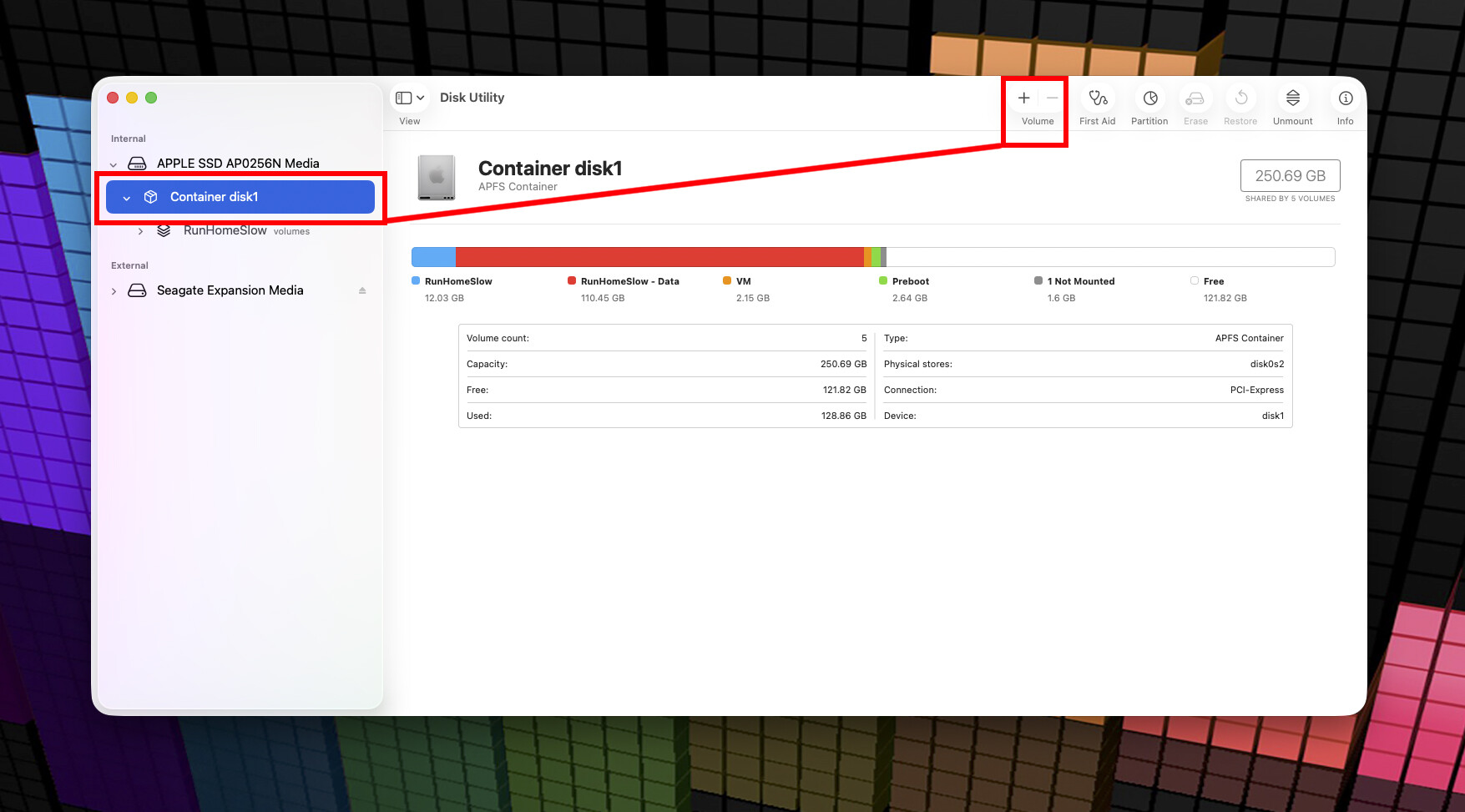
First go to a reliable site or through Apple Store to download the Sequoia OS
scroll down a bit
https://mrmacintosh.com/macos-sequoia-full-installer-database-download-directly-from-apple/
to install on the new APFS Volume you created….when download is install in your Applications folder, click it to install, then on Restart select the new Volume you created to install old OS back… named: Whatever you choosed…
after installed, choose to put back your softs from a Time Machine… or not, then just reinstall Audirvana. Working Again  Just Copy you .sqlite database from Tahoe and preferences of Audirvana to new Sequoia working Audirvana before Opening it and all will be the same
Now if you put Finder icon to be seen on your Mac desktop… you can see you have two hard drive to choose for restart or in Apple icon system settings…general… startup disk… you can choose the one you want to test
Is your music library on a NAS?
 I suggest removing your IP address information from your debug information report for security reasons.


Right oh about the IP address, will remember in future. My library is on a USB hard drive, no NAS. I believe in the original Audirvana idea, direct USB connections, no network packets. It turns out @RunHomeSlow was on the right track, though I did not have to boot up from a new volume. The problem did actually occur on Apple Music as well! I finally used a disk utility (Onyx) and restarted, and so far the problem (sudden onset, after several minutes, of static, and eventual loss of sound) has not recurred. So that’s my fix, until someone can enlighten me further. Does anyone know if streamers ever have problems like this? They’re computers too, are they not? A lot less robust, if less noisy, than a Mac?
If the drive was heavily fragmented, the search latency would precipitate sample-rate synchronization errors… Drive maintenance is always a good practice and after updates, it is always good to cold boot the computer and clear PRAM, NVRAM, SMC caches…
Thanks again @Agoldnear for the tip. Apparently the Macs with Apple silicon (starting with M1) cannot be reset with these procedures, but require a complete shutdown and thirty seconds before the reboot. I would still like to understand if the computers in streamers suffer these types of problems, and if not, why not? Do owners of streamers ever reboot them in despair? It seems to me that understanding this is important for assessing the continued choice-worthiness of Audirvāna, as against, say, an Eversolo T8 transport running its bespoke version of Android. These machines also offer copious internal local storage and native DSD, unlike Apple’s DoP. They also seem to offer the same kind of direct connection to the DAC as Audirvāna for local files, without Ethernet packets. On the other hand, I don’t comprehend how the sound I’m getting could be improved. Pitch black, holographic, immersive. Audirvāna on MacBook Pro M1 –> Intona USB isolator —> Holo May DAC —> BBE 882i processor —> Holo Serene preamp —> no-brand Chinese balanced 6922 tube buffer —> Orchard Starkrimson Stereo Ultra —> Magnepan Mini Desktop 2.1 —> KEF kc62 sub. Mix of interconnects, incl. DNM balanced. Could no longer be bothered with grounding the sub for a high-level connection, so cheap RCAs from the preamp. Anticables from the amp to the three Maggies, under and on the desktop. Bliss, with occasional static and reboots.
Any components that are dependent on the timing of the digital-audio signals are subject to latencies that will cause synchronization errors, that precipitate the noise that you were experiencing… In the case of a USB transmission to your DAC, this is an “asynchronous” transmission, where the data-signal being delivered to the USB interface of your DAC does not control the clock topology of your DAC platform… So any under-runs in the USB interface buffer, will cause latencies due to wait-times for packets sent from the USB controller of the computer… Also, in the case of USB 2.0 cable protocol, the data-line shares the signaling requests that tell the controller to send more packets, and these packet requests create noise on the data-signals that can precipitate latencies that create a domino-effect that precipitates synchronization errors.
For your information regarding DSD over PCM (DoP) protocol:
Yes standalone streamers also may need a reboot now and then. In addition they do not sound as good as Studio into a competent DAC.