Neither. Are some of the tens or hundreds of thousands of tracks I’ve listened to over the years, local and streaming, poorly mastered? Undoubtedly. Not every mastering is a masterpiece. Do you restrict yourself to only beautifully mastered recordings, or are there artists and performances that can speak to your emotions even without the finest engineering?
I do no normalization.
HQPlayer. It provides a count of intersample overs as they occur. -1dB allowed overs on occasional tracks, -2dB on a few, and once I went to -3dB there were no more, so I left it there.
You made it sound like the majority of the tracks you have analyzed were riddled with ISP’s so to justify the dramatic reduction of level before interpolation…
So to bring this back to the real-world of audibility… Clipping distortion is obvious… spurious ISP’s are less obvious, yet they are unacceptable… how prevalent these anomalies are in any given library of digital-audio content is not predictable… there is little to no compendium of files that are known to contain gross ISP distortions.
So I’ll trust my experience and familiarity my system behavior in this context and my active listening skills to guide me…
Mastering pure DSD files is different than modulating codified PCM master encodings to DSD, Especially the authoring of SACD discs or in the case of editing of 1-bit files by decimating to DXD 24/352.8kHz… This is a false equivalence to compare the two processes… (Mastering of DSD files and the modulation of PCM files to DSD).
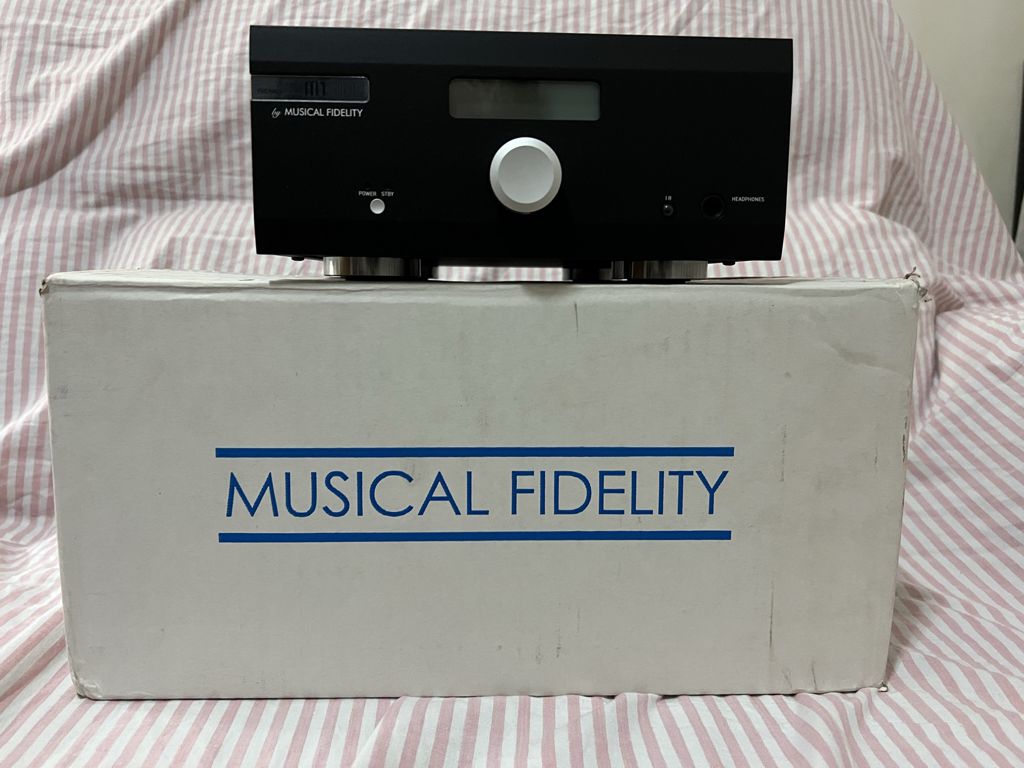
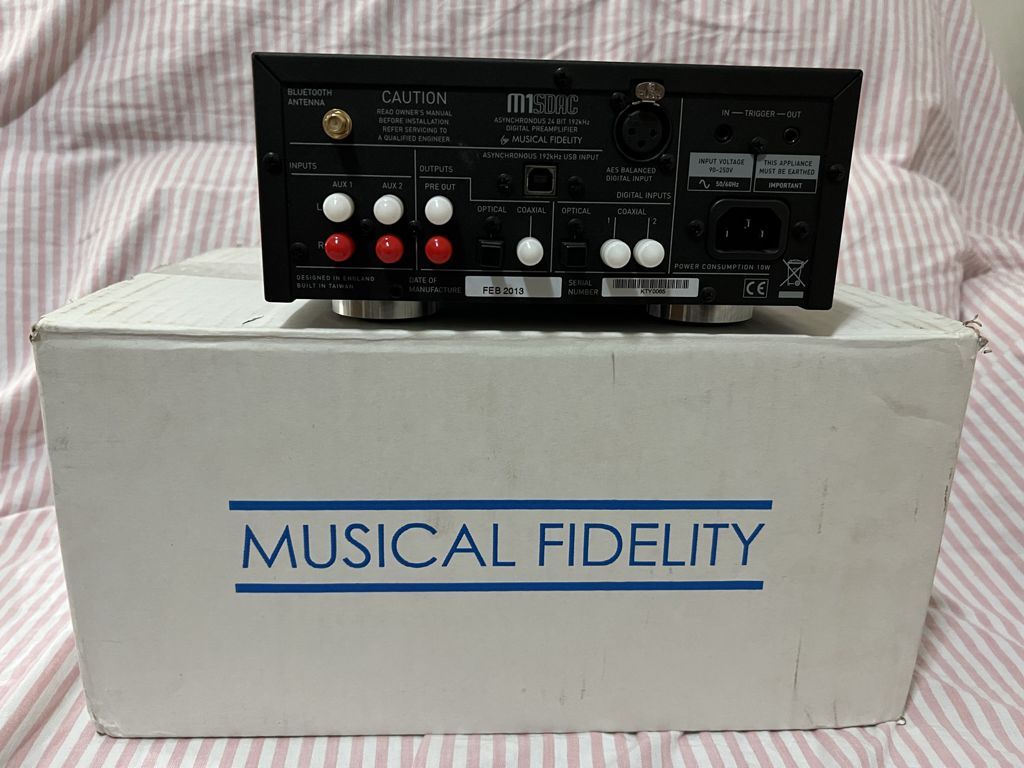
I used to use the Musical Fidelity M1SDAC DAC, which is only PCM.
When I played DSD files converted to PCM, I tested it and the best that came out was -3db.
I still have this DAC, it’s an excellent device, it uses the same chip as BB.
I have some discs in DSD512, but since I’m using macOS, the maximum I can get is DSD256.
In this case, Audirvana converts them to PCM 705.6 kHz. I don’t know if it’s a placebo effect or the recordings were converted to DSD512, but the quality is better.
The original recording was done in DXD (24/352.8kHz)…
The product was modulated to DSD512… There are no native 1-bit PDM 22.6MHz (DSD512) recordings… (or PCM 705.6kHz or 768kHz) there are 1-bit PDM 11.2 MHz (DSD256) recordings… DSD512 and DSD1024 are iterations of lower 1-bit sample-rate or PCM/DXD recordings modulated to DSD512 and DSD1024… The reason you see DSD512 decimated to 705.6kHz is because this is the DoP 1.1 PCM carrier sample-rate for DSD256.
By the way… this is a very nice sounding recording… I have had it in my library for about a year… I modulate the original DXD source to 5.6MHz (DSD128).
The 705.6kHz iteration contains the full resolution and dynamic-range of the DXD 24/352.8kHz master source file… One likely reason this sounds better than the DSD256 iteration, is the system is being taxed with both decimation to 705.6kHz and subsequent modulation to 11.2MHz DSD256 which may create some bit level smearing due to the multiple interpolations, rather than just producing the PCM iteration at 705.6MHz to your DAC.
I decimate all DSD recordings offline in ‘DSD Master’ to 24/352.8kHz PCM for HRTF DSP before modulation to DSD128 or I purchase the DXD master and forego the decimation process… The only DSD files that I do not decimate are binaural recordings.
 Neither. Are some of the tens or hundreds of thousands of tracks I’ve listened to over the years, local and streaming, poorly mastered? Undoubtedly. Not every mastering is a masterpiece. Do you restrict yourself to only beautifully mastered recordings, or are there artists and performances that can speak to your emotions even without the finest engineering?